Plantar Fasciitis
Fascia Tear & Heel Pain Relief
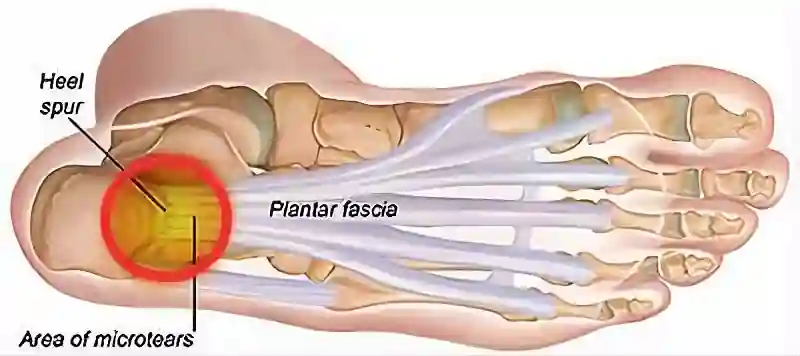
Understanding the Root of Heel Pain
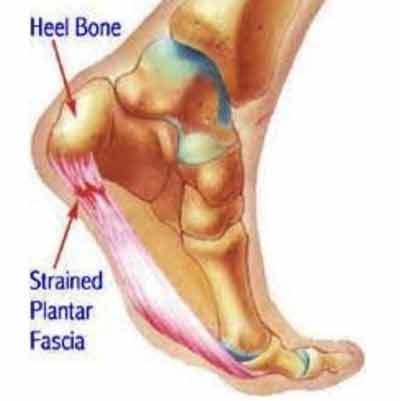
The most common cause of heel pain is Plantar Fasciitis, a condition involving inflammation of the thick band of tissue (the plantar fascia) that runs across the bottom of your foot. The plantar fascia's job is to pull the heel bone and raise the foot's arch when the foot pushes off the ground. The strongest and thickest part of the band is called the central plantar fascia, and this is the part mainly responsible for causing plantar fasciitis.
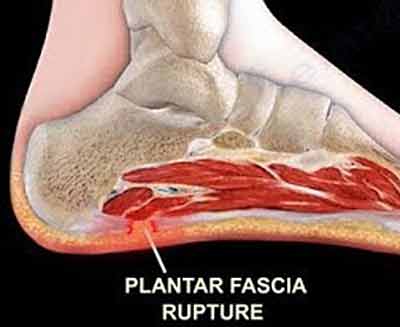
When the foot moves incorrectly, this ligament gets irritated, causing pain and swelling. However, severe or chronic pain may often indicate a Plantar Fascia Tear, which is a structural rupture of those same fibers. Whether you are dealing with standard inflammation or a painful fascia tear, receiving a professional diagnosis from Dr. Sima Soltani is the first step toward recovery.
Symptoms & Common Causes
Pain at the bottom of the foot after sitting for a long time, or by the time you wake up, is the most common symptom of plantar fasciitis. The sharp, stabbing pain usually lessens after walking a bit, but returns when you get on with heavy daily activities or stand for long periods.
What causes a plantar fascia tear or heel pain?
- Biomechanical Issues: Flat feet or a high arch in the foot.
- Bone Spurs: Calcium deposits on the heel.
- Overuse & High Impact: High-impact exercises and repetitive stress.
- Improper Footwear: Bad shoes lacking proper support.
- Lifestyle Factors: Obesity and the natural aging process.
At-Home Relief & Physical Stretches
The key to successful rehabilitation is restoring strength and flexibility in the foot. The first approach to treating a plantar fascia tear or plantar fasciitis is to reduce the inflammation.
Using frozen bottled water to roll your foot on is among the most recommended home remedies. Another highly effective method is to use a homemade ice pack: put crushed ice or frozen green peas in a plastic bag and wrap it with a towel. Place this ice bag on your heel five times a day, for around 30 minutes at a time.
When the acute pain subsides and strength begins to return, the patient needs to stretch regularly to keep the plantar fascia mobile and keep calf muscles in shape. Proper stretching prevents the tissue from becoming tight and snapping again.
Advanced Podiatric Treatments & Bone Spurs
If home remedies are not enough, professional intervention is necessary. Dr. Soltani may utilize Medical Laser therapy, Ultrasound, physical therapy, and the Graston method (instrument-assisted soft tissue mobilization) to decrease deep inflammation, ease the pain, and increase mobility.
If your pain is complicated by a bone spur on the heel, the physician might perform a specialized procedure to make a small hole to decrease the pressure and stress on the affected area. Additionally, custom shoe inserts, orthotics, and insoles will drastically help reduce pain and correct the biomechanical issues that caused the problem in the first place.
For the most severe, chronic plantar fascia tears, we also offer advanced Stem Cell Therapy to regenerate and repair the torn ligament without surgery.
Frequently Asked Questions
Ready to Walk Pain-Free in Irvine?
Stop letting heel pain dictate your daily life. Schedule an expert evaluation with Dr. Soltani today.
Schedule an Evaluation Call (949) 786-7114Our Podiatry Services
Comprehensive Care For Your Foundation
With more than 20 years of experience treating patients with complex foot and ankle problems, we are proud to be one of the most reliable podiatry clinics in Irvine, California.

Toenail Laser Treatment
With our state-of-the-art laser equipment, we can help clear your nails. Ask about our 10% off promotion.
Stem Cell Therapy
Advanced regenerative medicine designed to treat joint degeneration, inflammation, and chronic pain without surgery.
Custom Orthotics
Our comprehensive podiatric system includes custom foot orthotics to correct mechanics and provide stronger pain relief.
Why Choose Us?
Over 20 Years of Clinical Excellence
You may be surprised to know that your feet are not supposed to hurt. If you are experiencing daily foot pain, you are not alone; nearly sixty percent of the population seeks help for a foot problem every year. If you are looking for a trusted specialist in Orange County, we are here to help you get back to a pain-free life.
20+ Years Podiatry Experience
State-of-the-Art Technology
Unmatched Patient Satisfaction
